Digital Marketing Trends 2026: The Trust-First Growth Playbook
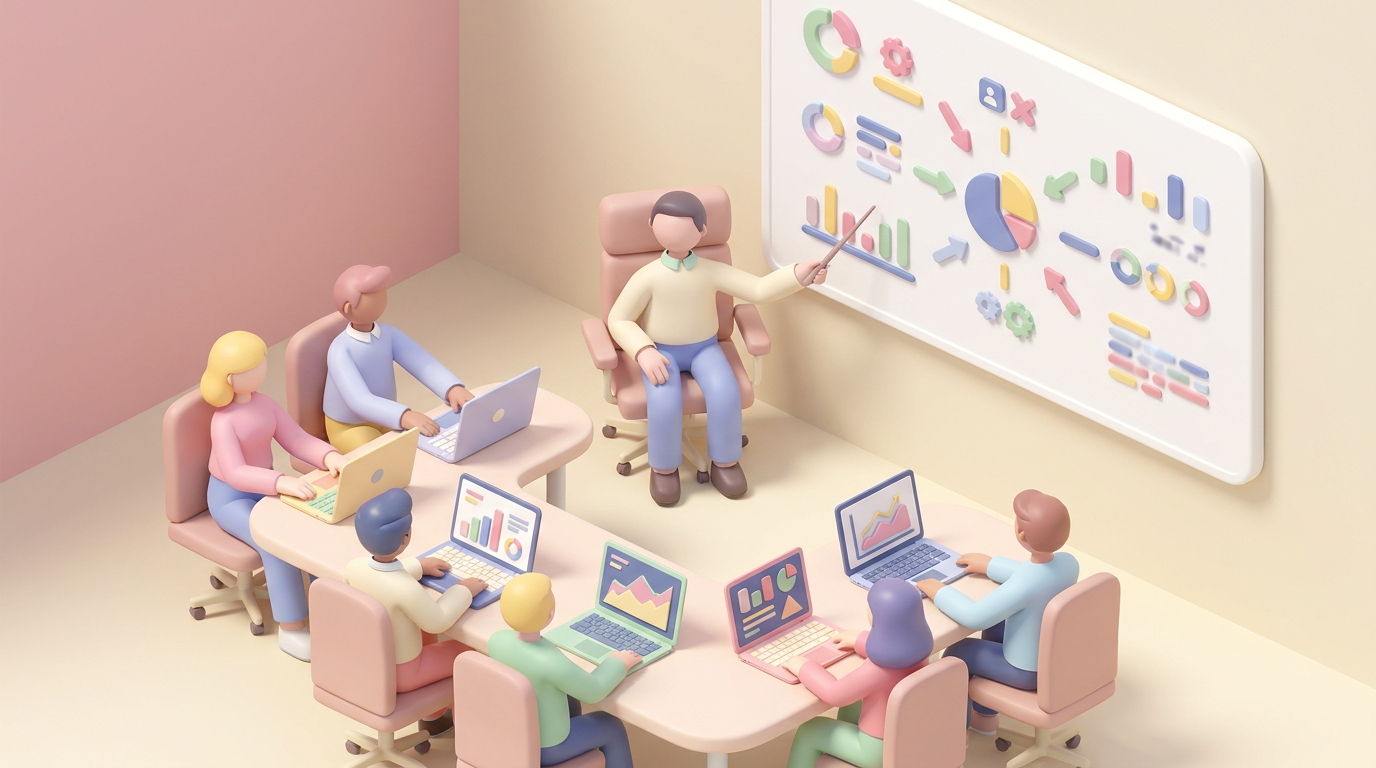
Explore digital marketing trends 2026 with Mohac Medya. Build trust-first growth with privacy, retail media, creators and measurement.
Key Takeaways:
Digital marketing trends in 2026 tell a clear story: the brands winning attention are not simply louder, faster, or more automated. They are more trusted. As privacy rules tighten, ad costs fluctuate, and customers compare brands across search, social, marketplaces, messaging apps, and video platforms before buying, growth now depends on building a marketing system that feels credible at every touchpoint.
That does not mean abandoning performance marketing. It means upgrading it. In 2026, businesses need sharper data, stronger creative, channel diversification, and measurement models that reflect how people actually buy. For UK, European, Saudi, and Turkish brands, the opportunity is significant: the digital advertising market continues to expand, but the margin for lazy campaigns is shrinking.
Below, Mohac Medya breaks down the most useful digital marketing predictions for 2026 — with practical steps your business can implement this quarter.
Digital Marketing Trends 2026: Trust Is the New Performance Metric
For years, marketers treated trust as a brand concept and performance as a numbers game. In 2026, that separation looks outdated. Customers now notice vague pricing, suspicious reviews, over-personalised ads, slow websites, and inconsistent social proof. Each small friction point reduces conversion.
Research from Edelman’s Trust Barometer has repeatedly shown that trust influences purchase decisions, while Google’s own consumer research highlights that shoppers move fluidly between discovery, evaluation, and purchase rather than following a neat funnel. The practical lesson is simple: conversion rate optimisation is now trust optimisation.
What businesses should do now
At Mohac Medya, we often see brands improve campaign efficiency not by changing the ad platform first, but by removing doubt from the landing page.
1. First-Party Data Becomes a Revenue Asset, Not a CRM Chore
Third-party tracking has become less reliable, consent requirements are stricter, and platform reporting is more modelled than ever. In 2026, the businesses with the best customer data will make better media-buying decisions, build stronger retention campaigns, and personalise without feeling invasive.
First-party data includes:
The shift is not just technical. It is strategic. A messy CRM full of duplicate contacts and incomplete fields is not an asset. A clean database segmented by customer intent, lifecycle stage, and purchase behaviour is.
| Data Practice | Weak 2026 Approach | Strong 2026 Approach |
|---|---|---|
| Lead capture | “Subscribe to our newsletter” | Offer a useful guide, quote, discount, or consultation |
| Segmentation | One list for everyone | Segment by intent, product interest, region, and lifecycle stage |
| Consent | Hidden or confusing | Clear value exchange and transparent permissions |
| Activation | Occasional email blasts | Automated journeys across email, ads, and messaging |
Practical implementation tips
2. Retail Media Expands Beyond Big Marketplaces
Retail media — advertising within retailer, marketplace, and commerce environments — is one of the most important digital marketing trends for 2026. According to eMarketer forecasts, global retail media ad spend is expected to continue double-digit growth and account for a growing share of digital ad investment.
Why does it matter? Because retail media connects advertising closer to purchase intent. Instead of targeting someone who might be interested, brands can appear when a shopper is actively browsing a category.
This trend is no longer limited to Amazon. Supermarkets, delivery apps, niche marketplaces, pharmacy chains, fashion retailers, and regional e-commerce platforms are building ad products. For brands operating in the UK, Europe, Saudi Arabia, or Turkey, this creates new ways to reach customers at the point of decision.
How to test retail media without wasting budget
Mohac Medya recommends treating retail media as both a sales channel and a research tool. Search terms inside marketplaces can reveal what customers actually call your products.
3. Creator Partnerships Move From One-Off Posts to Always-On Distribution
Influencer marketing has matured. In 2026, the smartest brands are not paying for isolated posts and hoping for virality. They are building creator networks that generate continuous creative assets, social proof, and paid media content.
The creator economy remains powerful because people trust people more than polished ads. But the model is changing. Micro-creators and niche experts often produce better engagement than celebrity influencers, especially in B2B, beauty, wellness, food, travel, education, and local services.
The 2026 creator model
| Old Influencer Model | 2026 Creator Partnership Model |
|---|---|
| Pay for one post | Build monthly creator retainers |
| Focus on follower count | Focus on audience fit and content quality |
| Organic-only usage | Negotiate paid ad usage rights |
| Generic brief | Give creators proof points, objections, and angles |
| Vanity metrics | Track saves, clicks, assisted conversions, and creative learnings |
Practical creator tips
This is especially useful for brands that need fresh ad creative every week but cannot run large production shoots constantly.
4. Messaging Apps Become the New Conversion Layer
In many markets, especially Saudi Arabia and Turkey, WhatsApp is not just a communication tool. It is a sales channel. In 2026, messaging-based commerce is becoming more structured, with businesses using WhatsApp, Instagram DMs, Messenger, and live chat to answer questions, qualify leads, recover abandoned carts, and close high-consideration purchases.
The key is speed. Harvard Business Review has reported that companies contacting leads within an hour are significantly more likely to qualify them than those waiting longer. In practice, response time can make or break paid campaign ROI.
Where messaging works best
Quick wins for 2026
For service businesses, Mohac Medya often pairs Google Ads with fast WhatsApp lead handling to reduce the gap between search intent and sales conversation.
5. Connected TV and Short-Form Video Meet in the Middle
Video marketing in 2026 is not one format. It is an ecosystem. Short-form vertical video drives discovery, while connected TV builds credibility and reach in premium environments. YouTube, TikTok, Instagram Reels, streaming platforms, and smart TV inventory increasingly overlap in campaign planning.
According to industry reports from organisations such as IAB, connected TV ad spend has been growing rapidly as audiences shift from traditional linear TV to streaming. For smaller brands, this no longer has to mean expensive national campaigns. Geo-targeted connected TV can support local launches, premium service brands, and e-commerce awareness campaigns.
How to make video work harder
The prediction: brands that treat video as a reusable asset system will outperform those still commissioning one campaign film per year.
6. Measurement Shifts From Attribution Obsession to Incrementality
Attribution dashboards are useful, but they are not the truth. In 2026, privacy changes, cross-device behaviour, and platform modelling make last-click reporting even less reliable. The best marketers are asking a better question: What would have happened if we did not spend this money?
That is incrementality.
You do not need a huge data science team to start. Small and medium-sized businesses can run simple tests:
A practical 2026 dashboard
| Metric | Why It Matters |
|---|---|
| Blended CAC | Shows total acquisition efficiency across channels |
| Marketing efficiency ratio | Revenue divided by marketing spend |
| Lead-to-sale rate | Prevents campaigns optimising for poor-quality leads |
| Repeat purchase rate | Connects acquisition with long-term value |
| Creative fatigue rate | Shows when ads need refreshing |
| Landing-page conversion rate | Identifies journey friction |
This is where a strategic agency can add real value. Mohac Medya builds performance dashboards that help businesses make decisions, not just admire charts.
7. Brand Safety and Authenticity Become Competitive Advantages
With synthetic content, fake reviews, low-quality AI pages, and misleading ads flooding the internet, customers are becoming more sceptical. In 2026, authenticity is not soft. It is commercial.
Brands should expect more scrutiny around claims, sustainability messaging, price promotions, and testimonials. Regulators in the UK and EU continue to monitor misleading advertising and consumer protection issues. Platforms are also tightening rules around political content, health claims, financial products, and before-and-after results.
Practical trust safeguards
The brands that can prove what they say will stand out from competitors relying on hype.
What Businesses Should Prioritise in the Next 90 Days
If everything feels urgent, start with the fundamentals that compound.
Your 90-day action plan
1. Audit your customer journey from first ad click to purchase or enquiry. Identify trust gaps.
2. Clean your first-party data and create core customer segments.
3. Test one new distribution channel, such as retail media, creators, WhatsApp, or connected TV.
4. Refresh your creative system with short-form videos, creator assets, and stronger proof points.
5. Build a decision dashboard with blended CAC, conversion rate, lead quality, and repeat purchase metrics.
6. Improve response speed for enquiries from paid campaigns and social media.
7. Document your claims and compliance rules before scaling ads.
Final Prediction: The Best Marketing in 2026 Feels Less Like Marketing
The strongest digital marketing trends in 2026 point in the same direction: customers want relevance without creepiness, convenience without pressure, and proof without exaggeration. Brands that respect that will win.
The next wave of growth will not come from copying every new platform tactic. It will come from building a connected system: privacy-safe data, credible creative, fast sales journeys, diversified media, and honest measurement.
Ready to Build a 2026 Digital Marketing Strategy?
Mohac Medya is a London-headquartered, Companies House registered digital agency helping businesses across the UK, Europe, Saudi Arabia, and Turkey grow through Google Ads, Meta Ads, TikTok Ads, social media management, web development, Shopify e-commerce, and brand strategy.
If you want a practical plan built around your market, budget, and growth targets, visit mohacmedya.com and explore our digital marketing services. Let’s turn 2026 trends into measurable business momentum.
Want to implement these strategies for your brand? Let Mohac Medya help you grow.
Explore Our ServicesRelated Articles
Mobile Marketing and App Promotion in 2026 — Mohac Medya
Master mobile marketing and app promotion in 2026 with Mohac Medya. Learn ASO, paid UA, retention and privacy-first growth tactics.
Conversion Rate Optimization for AI-Era Buyers — Mohac Medya
Explore conversion rate optimization for 2026 with Mohac Medya. Get practical CRO tactics for AI-era buyers, trust signals and faster funnels.
Email Marketing and Automation for Inbox Trust in 2026
Email marketing and automation in 2026: build inbox trust, smarter flows and revenue-ready journeys with Mohac Medya. Learn how.