Email Marketing Automation in 2026 — Mohac Medya
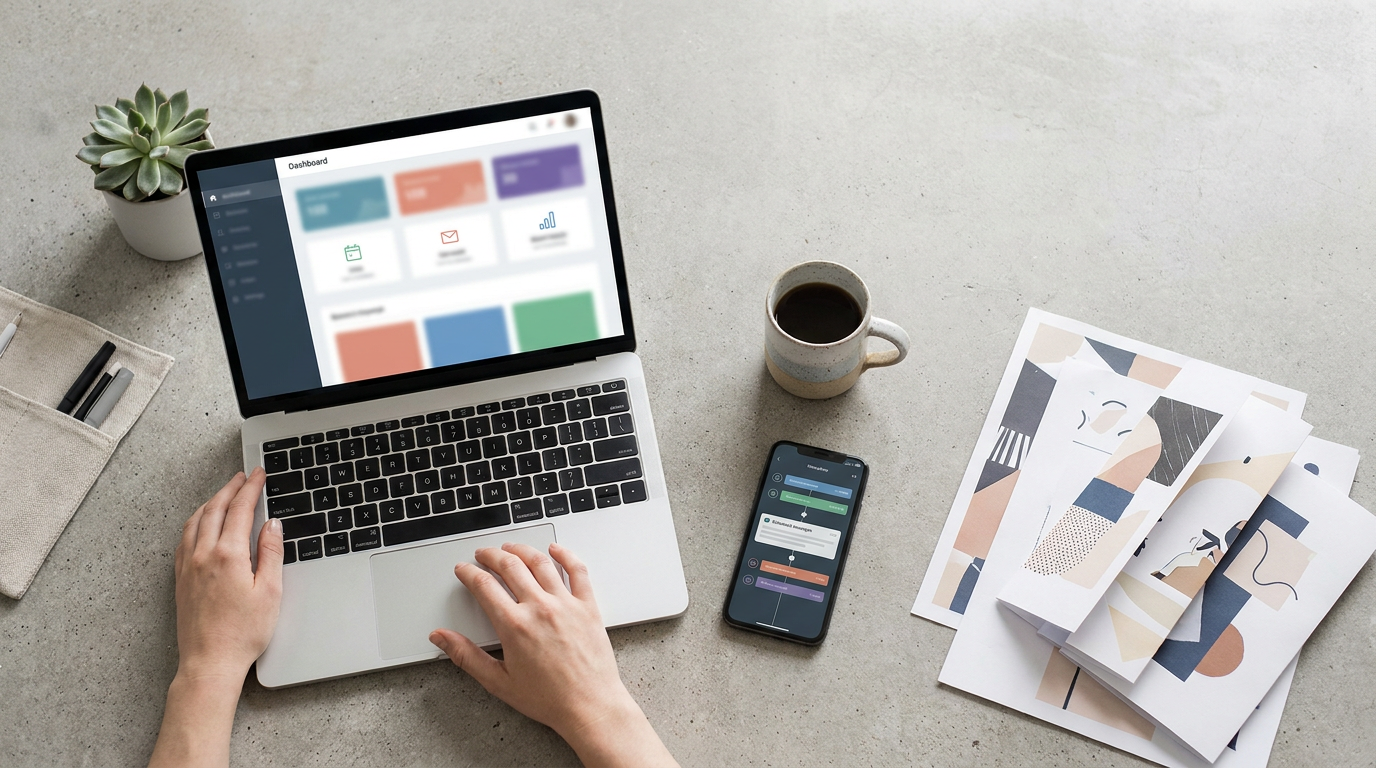
Discover email marketing automation trends for 2026 with practical tips from Mohac Medya to improve deliverability, revenue and retention.
Key Takeaways:
Email marketing automation in 2026 is having a quiet comeback. Not because email ever disappeared — it did not — but because businesses are rediscovering something important: when attention gets expensive on paid platforms, the inbox remains one of the few channels where brands can build direct, owned relationships.
But the rules have changed. Gmail and Yahoo’s bulk sender requirements, Apple Mail Privacy Protection, tighter consent laws, AI-written content saturation and increasingly selective consumers have made old-school email marketing feel painfully outdated. Sending the same discount code to everyone on your list is no longer a strategy. It is a shortcut to unsubscribes, spam complaints and weak revenue.
The opportunity? Businesses that treat email as a lifecycle channel — not a newsletter machine — can create highly relevant customer journeys that generate sales, improve retention and support brand trust. At Mohac Medya, we see this across UK, European, Saudi and Turkish markets: the best-performing campaigns are built around behaviour, timing and customer intent.
Why Email Marketing Automation Still Matters in 2026
Despite constant predictions that email is “dead”, the numbers tell a different story. Industry benchmarks continue to place email among the highest-ROI digital marketing channels. Litmus has historically reported email ROI at around $36 for every $1 spent, while many e-commerce brands see email contributing 20–30% of total online revenue when lifecycle flows are properly configured.
The reason is simple: email sits close to purchase intent. A user who subscribed, browsed products, abandoned a basket or downloaded a guide has already shown interest. Automation helps you respond at the right moment without relying on manual follow-up.
In 2026, the strongest email programmes are built around four pillars:
| Pillar | What It Means | Why It Matters in 2026 |
|---|---|---|
| Consent | Clear opt-ins and preference control | Protects deliverability and trust |
| Segmentation | Grouping users by behaviour, lifecycle stage or value | Improves relevance and conversion |
| Automation | Triggered journeys based on user actions | Saves time and increases revenue |
| Deliverability | Authentication, engagement and list hygiene | Keeps your emails out of spam |
If your email strategy is still mainly monthly newsletters, you are probably leaving revenue on the table.
Email Marketing Automation in 2026: What Has Changed?
Email platforms have become smarter, but inboxes have become stricter. That means automation must be built carefully. Here are the biggest shifts shaping email marketing automation in 2026.
1. Deliverability Is Now a Growth Metric
In 2024, Gmail and Yahoo introduced stricter rules for bulk senders, including SPF, DKIM and DMARC authentication, easier unsubscribe options and low spam complaint thresholds. By 2026, these are not “technical extras” — they are basic requirements.
If your domain reputation is weak, even brilliant campaigns will underperform because customers may never see them.
Practical steps:
A smaller, engaged list will almost always outperform a large, cold database.
2. AI Helps, But Human Strategy Wins
AI tools can now generate subject lines, product descriptions, email layouts and send-time recommendations in seconds. This is useful — but it has also flooded inboxes with content that sounds polished and soulless.
The brands winning in 2026 use AI for speed, not strategy. They still rely on human insight for positioning, empathy, timing and creative judgment.
Use AI to:
Do not use AI to blindly automate every message. Customers can feel when a brand is simply filling space.
3. First-Party Data Is Your Competitive Advantage
With third-party cookies declining and paid media platforms becoming more expensive, first-party data is now one of the most valuable assets a business can own. Email captures that data directly through sign-ups, preferences, quizzes, purchase history and browsing behaviour.
Examples of useful first-party data include:
For example, a Shopify fashion store should not send identical emails to a first-time browser, a VIP customer and someone who only buys during sales. Their intent, expectations and value are completely different.
Essential Email Automations Every Business Should Build
You do not need a complicated 40-email funnel to see results. Start with the automations that map to real customer behaviour.
Welcome Series
Your welcome series sets the tone for the relationship. New subscribers are usually at peak interest, so this flow often generates strong engagement.
A practical 3-email structure:
1. Email 1: Welcome and value promise
Introduce the brand, explain what subscribers will receive and deliver any promised incentive.
2. Email 2: Social proof and bestsellers
Show reviews, case studies, top products or client results.
3. Email 3: Objection handling
Answer common questions about delivery, pricing, quality, returns or service process.
Tip: Do not make every welcome email a discount email. Build confidence before pushing the sale.
Abandoned Cart Flow
For e-commerce brands, abandoned cart automation remains one of the highest-impact flows. Baymard Institute research has often placed average cart abandonment at around 70%, meaning most shoppers leave before purchasing.
A strong abandoned cart sequence might include:
| Timing | Message Focus | Example Angle |
|---|---|---|
| 1 hour later | Reminder | “You left something behind” |
| 12–24 hours later | Reassurance | Reviews, delivery info, returns |
| 36–48 hours later | Incentive or urgency | Limited stock or small offer |
Avoid jumping immediately to discounts. Many customers only need reassurance, not a price cut.
Browse Abandonment
Browse abandonment targets people who viewed products or services but did not add anything to cart. This is especially powerful for Shopify, travel, beauty, education and B2B service websites.
Example triggers:
For service businesses, this could trigger an email such as: “Still exploring Google Ads management? Here’s what to check before choosing an agency.” That is useful, timely and far better than a hard sell.
Post-Purchase Journey
The sale should not be the end of communication. A post-purchase flow helps reduce buyer’s remorse, increase repeat purchases and improve customer experience.
Include:
For example, a skincare brand might send a “how to use your serum” guide three days after delivery, then a replenishment reminder 35 days later.
Re-Engagement Campaign
Inactive subscribers hurt deliverability. A re-engagement flow gives them one last opportunity to stay before you suppress them.
Try this sequence:
1. “Still want to hear from us?”
2. “Choose what you receive” with preference options
3. “Last email unless you stay subscribed”
If they do not engage, remove or suppress them. It may feel uncomfortable, but it protects performance.
Practical Tips to Improve Email Performance in 2026
The difference between average and excellent email marketing is rarely one big trick. It is the accumulation of small, disciplined improvements.
Segment Beyond Demographics
Age and location can help, but behaviour usually predicts intent better. Segment by:
A London-based restaurant group, for example, could send different messages to birthday diners, weekday lunch visitors and corporate event enquiries.
Use Preference Centres
Let subscribers choose what they want. Frequency and topic preferences reduce unsubscribes and improve trust.
Preference centre options might include:
This is especially useful for brands serving multiple regions such as the UK, Europe, Saudi Arabia and Turkey, where language, seasonality and cultural timing can vary.
Test One Variable at a Time
A/B testing only works when you know what you are testing. Do not change the subject line, hero image, offer and CTA all at once.
Test:
Measure beyond open rates. Apple Mail Privacy Protection has made opens less reliable, so focus on clicks, conversions, revenue per recipient and unsubscribe rate.
Make Emails Mobile-First
Most consumers check email on mobile devices. Keep layouts clean and fast.
Mobile checklist:
If your email looks beautiful on desktop but awkward on mobile, it is not finished.
Email, CRM and Paid Media Should Work Together
In 2026, email should not sit in a silo. The strongest results come when email marketing automation connects with CRM, paid advertising and website analytics.
Examples:
This is where an integrated digital strategy matters. Mohac Medya, a London-headquartered and Companies House registered agency, helps businesses connect email, paid media, web development and e-commerce systems so campaigns do not operate in isolation.
Common Email Automation Mistakes to Avoid
Even strong brands make avoidable mistakes. Watch out for these:
A useful rule: every automated email should have a job. If you cannot explain why it exists, it probably should not be sent.
A Simple 30-Day Email Automation Plan
If you want to improve email marketing quickly, use this practical roadmap.
| Week | Focus | Actions |
|---|---|---|
| Week 1 | Audit | Check list health, authentication, templates and existing flows |
| Week 2 | Build | Create or improve welcome, abandoned cart and post-purchase flows |
| Week 3 | Segment | Build key audiences based on behaviour and purchase history |
| Week 4 | Optimise | Launch A/B tests, review reporting and suppress inactive contacts |
By the end of 30 days, most businesses can have a cleaner database, stronger automation and clearer performance tracking.
Final Thoughts: The Inbox Rewards Relevance
Email marketing automation in 2026 is not about shouting louder. It is about listening better. The brands that win will be the ones that understand when customers are ready, what they care about and how to communicate without becoming intrusive.
Automation should feel helpful, not mechanical. A good email arrives at the right moment with a message that makes sense. A bad one feels like noise.
If your business already invests in Google Ads, Meta Ads, TikTok Ads, Shopify or social media, email automation can turn more of that traffic into long-term revenue. That is why Mohac Medya treats email as part of the wider growth system — connected to acquisition, retention, CRM, analytics and brand strategy.
Ready to Build Smarter Email Automation?
If your email marketing is underused, outdated or disconnected from your wider digital strategy, now is the time to fix it. Mohac Medya helps businesses across the UK, Europe, Saudi Arabia and Turkey build practical, revenue-focused digital marketing systems — from email automation and Shopify e-commerce to paid ads, web development and brand strategy.
Visit [mohacmedya.com](https://mohacmedya.com) to explore our services and start building an email strategy that works harder in 2026.
Want to implement these strategies for your brand? Let Mohac Medya help you grow.
Explore Our ServicesRelated Articles
Mobile Marketing and App Promotion in 2026 — Mohac Medya
Master mobile marketing and app promotion in 2026 with Mohac Medya. Learn ASO, paid UA, retention and privacy-first growth tactics.
Conversion Rate Optimization for AI-Era Buyers — Mohac Medya
Explore conversion rate optimization for 2026 with Mohac Medya. Get practical CRO tactics for AI-era buyers, trust signals and faster funnels.
Email Marketing and Automation for Inbox Trust in 2026
Email marketing and automation in 2026: build inbox trust, smarter flows and revenue-ready journeys with Mohac Medya. Learn how.